


As target audiences evolve, marketing methodologies must pivot to stay relevant. One of the most fundamental distinctions every marketer must master is the difference between B2B (Business-to-Business) and B2C (Business-to-Consumer). This distinction isn’t just academic; it fundamentally reshapes your strategic approach, campaign tone, and content delivery. In this guide, we’ll dive deep into the core differences between these two worlds.

Understanding B2B: The Logic-Driven Approach
B2B stands for Business-to-Business. In this model, your marketing efforts are directed toward other businesses. Here, the focus shifts from selling a product to providing a strategic asset that helps another entity thrive. B2B marketing isn’t just about selling goods; it’s about positioning your services and expertise as a catalyst for another company’s growth.

B2B isn’t always about the bottom line. You could be marketing a solution that enhances employee retention or workplace ergonomics. However, the stakes are higher because B2B requires deep domain expertise. For instance, selling a CRM (Customer Relationship Management) system to a software house is a high-level challenge; you aren’t just selling software—you’re proving why your out-of-the-box solution is more efficient than something they could build internally.
The defining characteristic of B2B? The decision-making process is purely rational. While “emotion” is a massive driver in modern content, B2B buyers prioritize ROI, efficiency, and long-term value over emotional impulses.
The B2B Target Audience
In B2B, you aren’t just targeting “a company”—you are targeting key decision-makers and stakeholders. Whether it’s a school, a retail chain, or a government agency, your message must resonate with the professionals responsible for the organization’s growth.
Essential B2B Marketing Strategies
While the channels might look familiar, the execution is radically different:
Content Marketing (Authority Building)
Forget fluff. B2B content marketing is educational and data-heavy. We use whitepapers, case studies, and technical blogs to establish thought leadership and build the trust necessary for high-stakes transactions.
Precision Email Marketing
Email remains the powerhouse of B2B. It’s the primary professional communication channel. A well-crafted, formal email sequence can open doors to corporate boardrooms that other channels can’t reach.
Social Media (The LinkedIn Factor)
Social media still plays a vital role. LinkedIn is the gold standard for B2B, allowing experts (like SEO specialists) to showcase results directly to business owners. Even platforms like Facebook are effective for targeting niche needs, like office hardware or industrial supplies.
Video Marketing
In a world of information overload, a 3-minute technical explainer or a product demo video can communicate complex value propositions much faster than 2,000 words of text.
SEO (The Pull Strategy)
SEO is the ultimate inbound engine for B2B. When a decision-maker searches for a specialized service and finds your authoritative guide, you aren’t chasing a lead—they are seeking your expertise. In B2B, an SEO-driven lead is often a high-ticket conversion waiting to happen.
Understanding B2C: The Emotional Trigger
B2C (Business-to-Consumer) is all about the end-user. As a marketer, the playbook here flips. We move from logic-based persuasion to emotional storytelling. B2C marketing thrives on immediate desires, lifestyle aspirations, and the “feel-good” factor of a purchase.
The B2C environment is fast-paced and flexible. Formalities are replaced with relatable language and slang. Marketing here is less about “specs” and more about “vibes” and the user experience.
The B2C Target Audience
The audience is the everyday consumer—people buying for personal use. The focus is on mass-market appeal, addressing the pain points or desires of individuals across various demographics.
Leading B2C Marketing Strategies
B2C Marketing focuses on customers and how to give them what they need whenever they need it. That makes the marketer put more focus on questions asked all over the internet and seek a total grand experience from the audience. Strategies here aren’t as hard as B2B because here you target a normal customer who spends money without waiting for a back profit. The hardest part is keeping this customer with you after he reaches what he needs.
Content Marketing (Relatability)
B2C content is about building a connection. Consumers want to see themselves in your brand. This has led to the rise of UGC (User-Generated Content), where real people share real experiences.
Direct-Response Email Marketing
B2C emails are visual and urgent. High-impact CTAs (Call to Action), flash sales, and “limited time offers” for products like the latest iPhone are designed to trigger immediate action rather than long-term deliberation.
Social Media & Viral Loops
Platforms like Instagram and TikTok are the lifeblood of B2C. Short-form video (Reels) and visual storytelling are the fastest ways to capture consumer attention and drive impulse purchases.Social Media in general is a fast paced marketing channel for customers.
Video Marketing & UGC
Authenticity is the new currency. UGC-style videos (unboxings, reviews, tutorials) feel less like ads and more like recommendations, making them highly effective at converting browsers into buyers.
E-commerce SEO
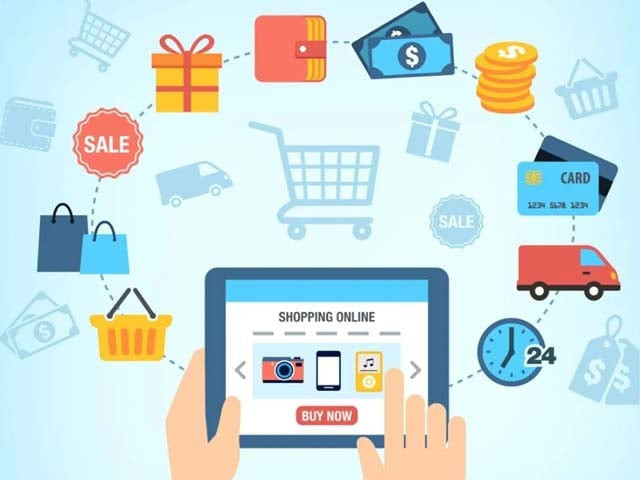
In the B2C world, SEO is synonymous with E-commerce. It’s about being visible exactly when a user is searching for a solution to an immediate need or a specific product they want to own.
UGC – The Power of Social Proof
User-Generated Content is the ultimate trust builder. By showcasing real feedback from real customers, brands can build a level of credibility that traditional advertising simply can’t match. It is the most successful trend in modern B2C marketing.

The Bottom Line
The gap between B2B and B2C is less about the tools and more about the mindset. The same digital channels are used in both, but the execution must pivot to match the target audience’s intent—logical for businesses, emotional for consumers. Your success as a marketer depends on your ability to master this nuance.

