


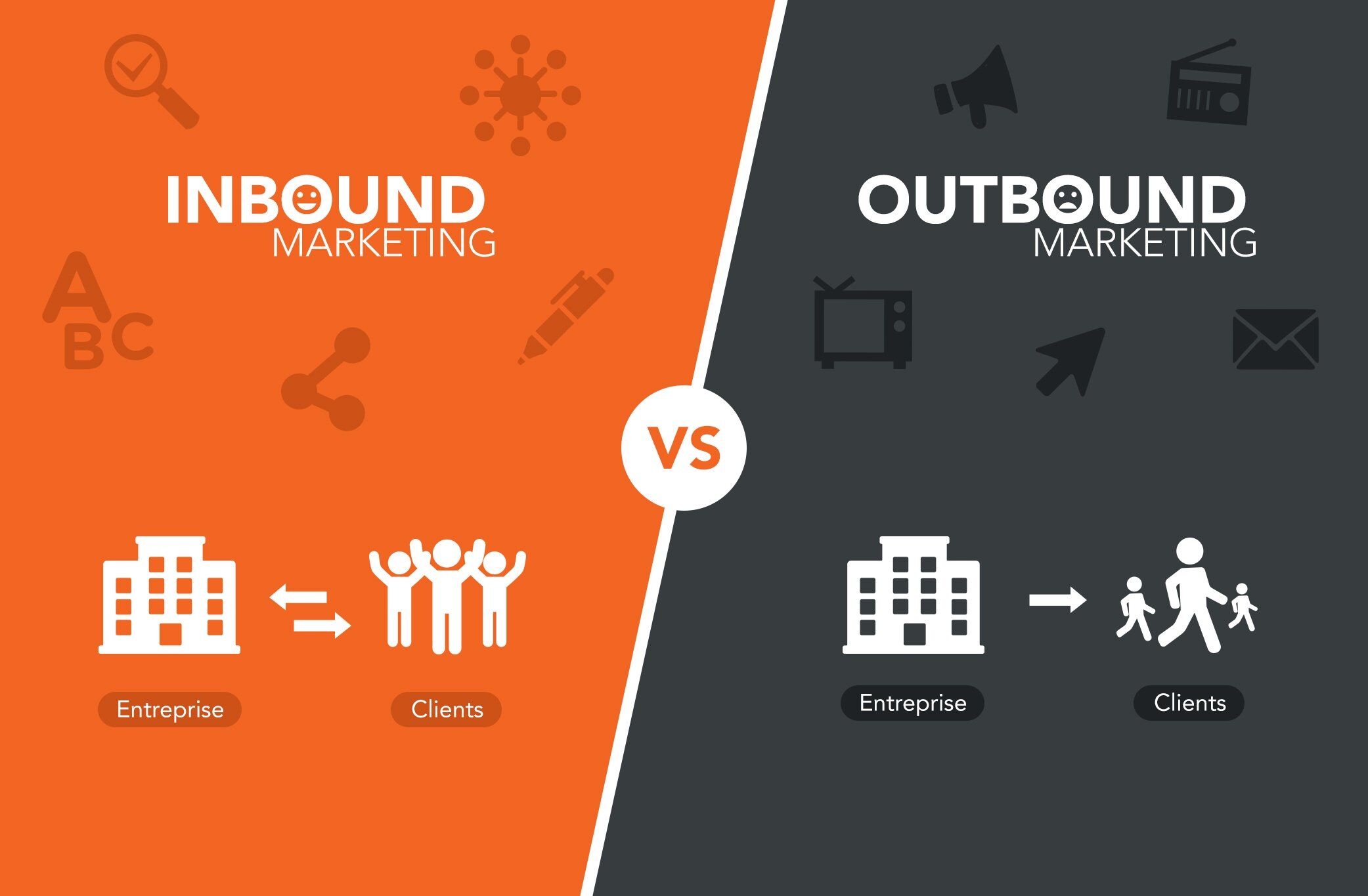
Throughout your marketing journey, you’ve surely heard about what’s called inbound and outbound marketing. Of course, you might be wondering about the difference between these two terms — or rather, these two strategies. In fact, they represent different marketing approaches to increase brand awareness and visibility, or to attract more loyal customers. How does that work? That’s exactly what we’ll explain in this article as we discuss the difference between inbound and outbound marketing, so keep reading.
Inbound Marketing
The concept of inbound marketing is about attracting the user or client to you. It doesn’t rely on you reaching out to the customer directly; instead, you make the customer come to you. This happens by using targeted keywords that match what your customer is searching for. When they look up these terms online, your business appears in their results — meaning the customer is asking for you, not the other way around.
For example, suppose we’re a marketing company that wants to attract clients in the field of social media. We can target the keyword “Best social media marketing company in Egypt” and work on appearing as the top result on Google or Facebook. Then, when someone searches for this phrase, they find Tiye Solutions as the company that provides exactly what they need. The customer searches for us — we just position ourselves to be found.
Types of Inbound Marketing
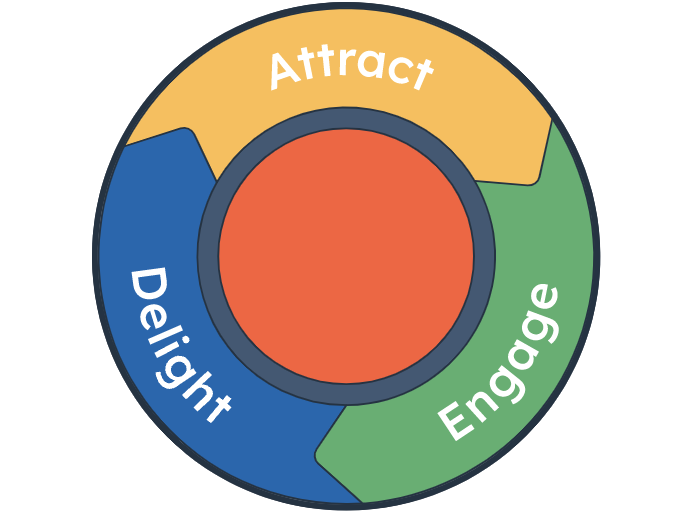
This strategy is highly effective for attracting clients — or rather, for letting clients reach you. As mentioned, it relies on the customer’s own search behavior on any search engine, whether that’s Google, AI-based platforms, or even social media. It generally includes several important channels. Let’s go through them:
1- Blogs and Websites – SEO
The first and strongest channel for inbound marketing is through websites. This is one of the most powerful ways to attract loyal clients to your brand. Why? Simply because people value what they put effort into achieving — and that includes finding a solution that fits their needs. SEO clients usually turn into long-term clients because they chose you among hundreds of search results and decided to trust you. Once a deal is made, you’ve earned a loyal customer.
To attract SEO clients, you start with your website by targeting specific keywords your potential customers are searching for. By studying the market, you understand their needs and create content that meets their search intent — whether through blog posts or the structure and copy of your web pages. This very article you’re reading, dear visitor, is itself an example of inbound marketing. You searched for useful marketing insights, landed here, and started discovering Tiye Solutions. We reached you by giving you value — not by chasing after you.
2- Social Media – Organic Reach
Social media platforms are also powerful inbound marketing channels through organic reach. Just like SEO, this depends on your potential customers searching for your services directly on social media. For instance, Reels and platform algorithms help push your content naturally to users — bringing them to you in a simple and organic way.
3- Mobile Apps and Web Apps
Another inbound technique is through mobile or web applications. Imagine a user searching the app store for a service, finds your app, installs it, and uses it — this builds trust with your brand and brings in new leads.
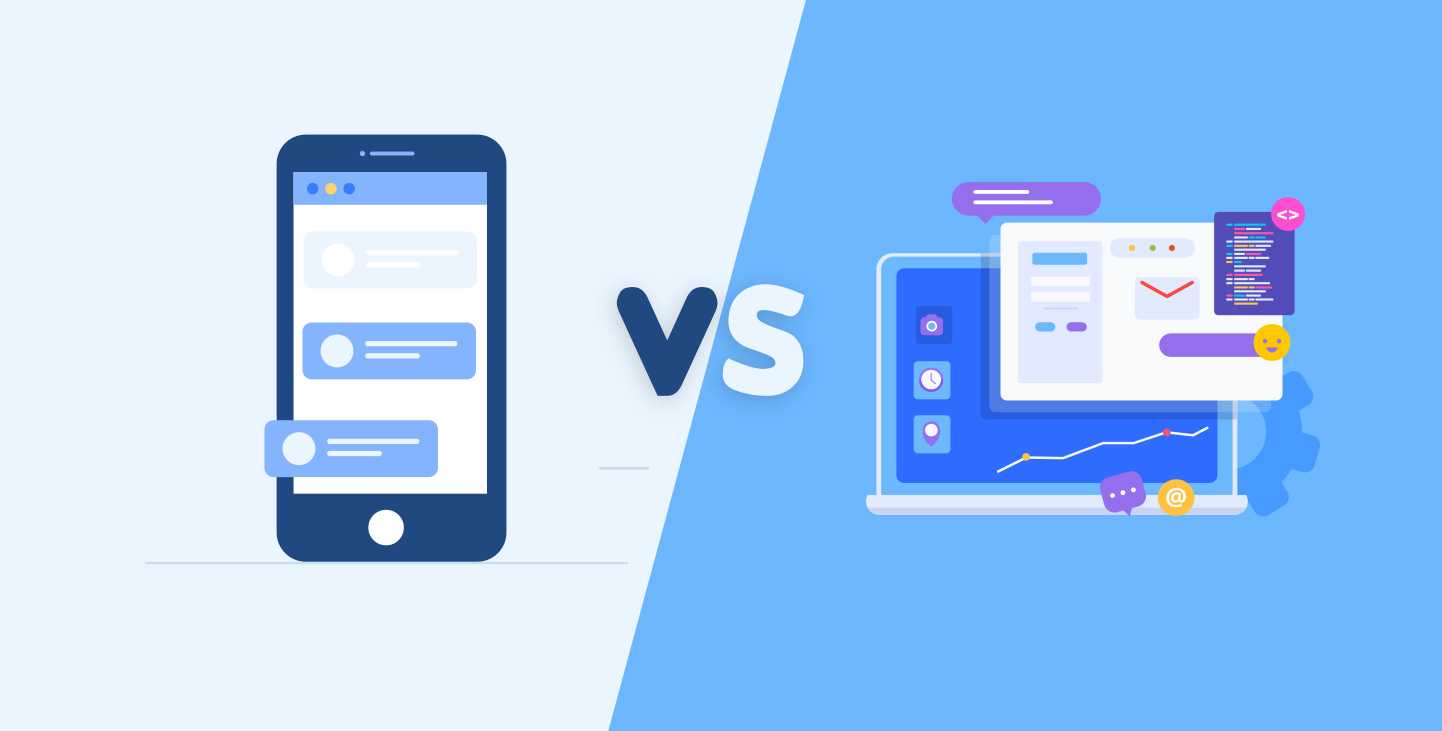
This applies not only to native apps but also to web applications, which are often easier to scale across multiple platforms. A web app essentially replicates your website while offering a smooth, app-like experience — a great way to promote your services online with minimal extra effort.
4- YouTube
YouTube is another strong inbound marketing channel. By creating videos that showcase your services, solutions, and their benefits, you attract an audience interested in what you offer. For instance, a travel agency can explain its services and booking process via detailed long-form videos or short, engaging clips that capture attention quickly.
Results of Inbound Marketing
Inbound marketing allows you to generate leads without spending large budgets on ads. Customers come to you through their own searches, leading to higher profit margins due to lower costs. However, the number of leads may be smaller compared to paid ad campaigns — though, with a solid inbound plan, results often exceed expectations.
Outbound Marketing
Outbound marketing, on the other hand, is the opposite approach — instead of waiting for the customer to find you, you go after them. You actively reach out and place your brand in front of potential clients through paid campaigns and direct outreach. This is often referred to as interruption marketing, as you appear while the audience is doing something else — like a TV ad that plays in the middle of someone’s favorite movie.
This type of marketing includes all methods involving direct contact with potential customers or paid channels — from social media and search ads to full-scale ad campaigns across TV and digital platforms.
Types of Outbound Marketing
Outbound strategies are many, primarily focusing on paid advertising across different media to reach a wider customer base in less time. Let’s explore each one:
1- Traditional Marketing
Traditional marketing includes all classic advertising types used before the digital era — TV ads, magazines, newspapers, radio, and classifieds. These methods are great for spreading brand awareness and sparking conversation, though they often lack precise audience targeting. Traditional marketing works best for awareness campaigns and mass communication.
While some consider traditional marketing “outdated,” it remains powerful due to the sheer number of people who still consume traditional media daily. It’s especially effective for broad brand exposure.
2- Through the Line Advertising (TTL)
This strategy combines both traditional and digital methods in one campaign. Companies can merge online and offline marketing techniques to boost brand visibility across multiple channels and maximize audience reach.

3- Paid Digital Marketing
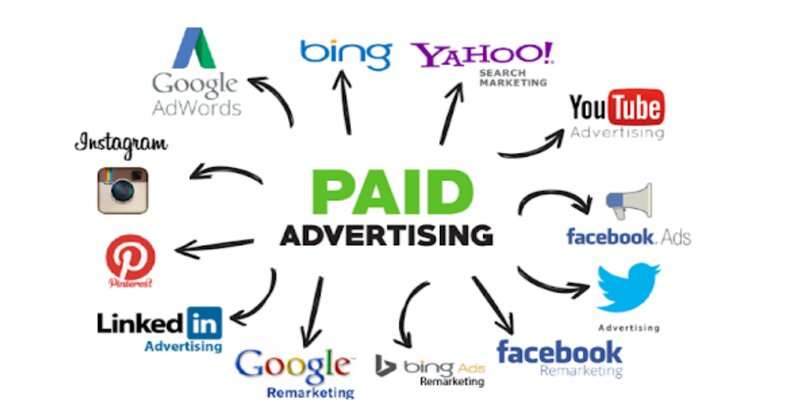
Paid digital marketing refers to all paid advertising methods — whether on social media, search engines, video platforms, or other networks. These campaigns ensure you appear consistently in front of highly targeted audiences.
4- Cold Calls
Cold calling is one of the best-known outbound methods, involving direct phone contact with potential clients who have not been approached before. The goal is to turn interested leads into actual customers. Follow-up “warm calls” usually come next to confirm interest and close deals.

However, due to factors such as busy customers, DND settings, or call blocking, cold calling can be a challenging marketing approach.
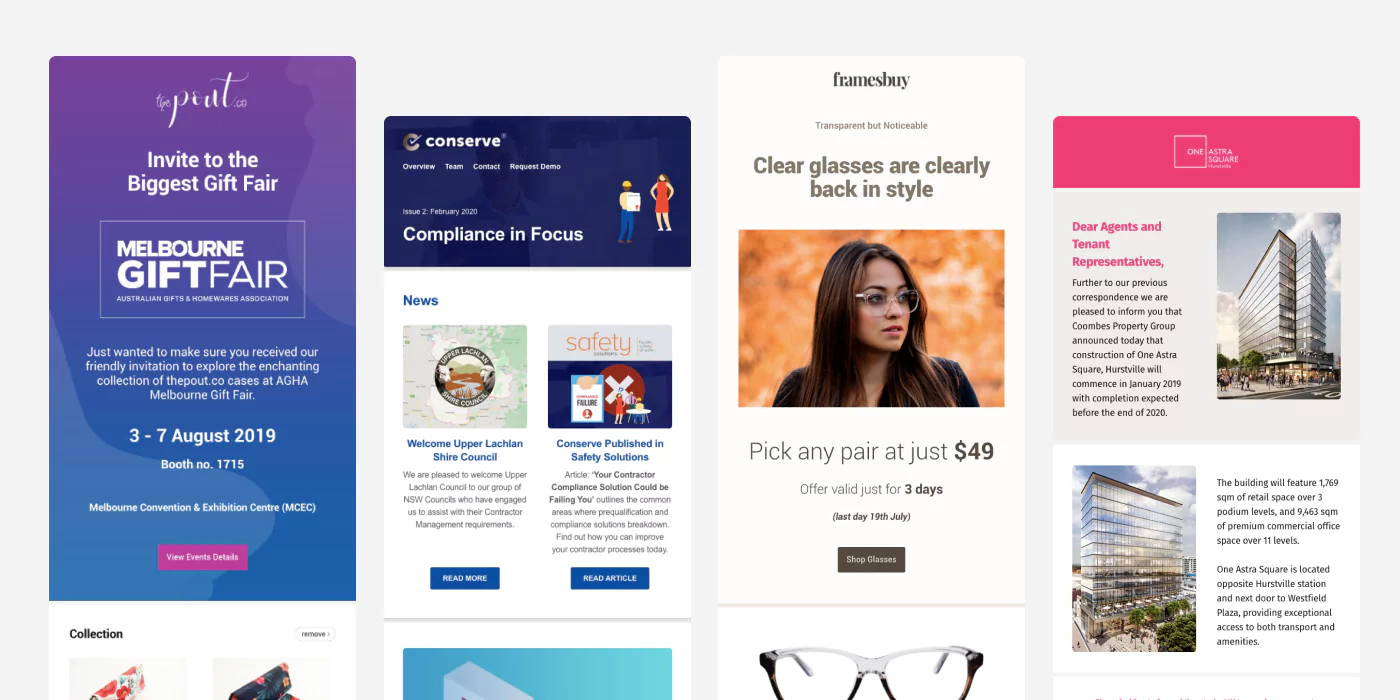
5- Email Marketing
There’s debate about whether email marketing is inbound or outbound. Most experts classify it as outbound since the sender initiates the interaction — even if the recipient voluntarily subscribed. It’s an effective way to boost engagement and conversions among your audience.
6- Newsletters
Similar to email marketing, newsletters can also be seen as outbound since they rely on messages being sent proactively by the marketer. They’re useful for promoting new products, announcing updates, reminding users to complete purchases, or delivering personalized offers.
7- Events and Product Launches
Large-scale events and product launches are another strong form of outbound marketing. By hosting a live event or product reveal, companies can create buzz, attract leads, and generate massive attention. Major brands like Apple and Samsung have perfected this art, turning their launches into experiences that excite and inform audiences.
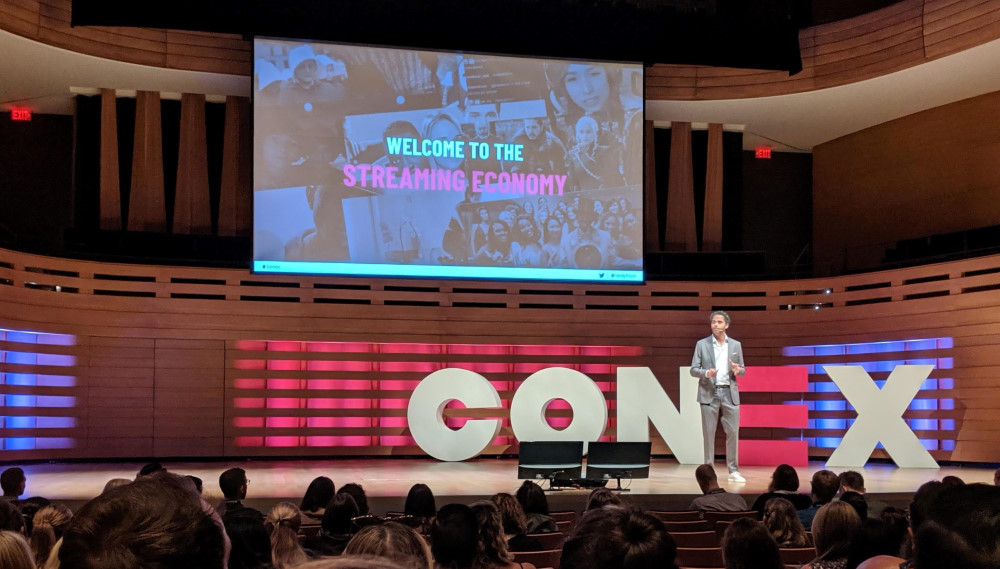
These events rely on storytelling, visual appeal, and detailed explanations, helping the audience connect with the brand emotionally — ultimately driving more engagement and higher sales.
The Benefits of Outbound Marketing
Outbound marketing often results in quick, large-volume sales within a shorter timeframe compared to inbound methods. It helps businesses grow their customer base fast and achieve higher initial profits, making it ideal for rapid campaign results.
Inbound or Outbound for Your Next Campaign?
The right choice depends entirely on your goals and campaign objectives. Both inbound and outbound marketing are essential, each serving a unique purpose. At Tiye Solutions, we design tailored strategies that ensure your project’s success — no matter the competition level or campaign complexity. Contact us now and start your digital growth journey.

