
Digital marketing basics are a prerequisite for the continuity of any project seeking to compete in today’s job market. Understanding this field starts with simple steps, such as grasping the fundamentals; however, a common mistake is the belief that a mere presence on social media platforms is enough.
The truth is that the real value lies in your ability to convert this presence into tangible results, such as increased sales or building a genuine customer base that supports the project’s growth.
The Difference Between Marketing and Digital Marketing:
Marketing is a comprehensive concept aimed at introducing people to a product or service and trying to persuade them to purchase. This includes traditional or currently recognized methods such as television advertisements or billboards. In a broader sense, marketing encompasses all possible ways to reach the customer, whether online or offline.
Definition of Digital Marketing:
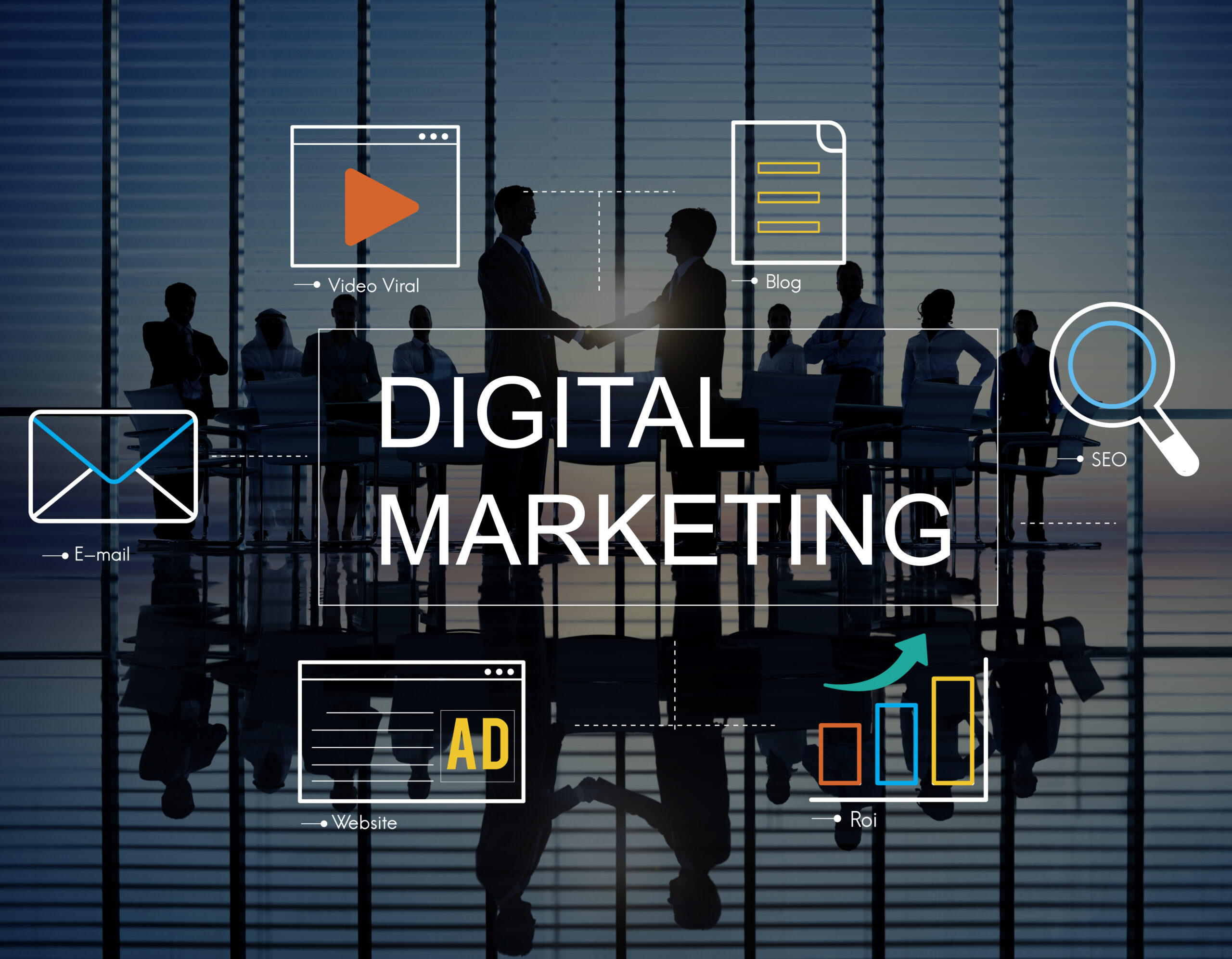
Digital marketing is the use of electronic channels, such as search engines and social media platforms, to reach a target audience and attract their attention. The goal is to build an ongoing relationship and convert this interest into measurable results—whether sales, engagement, or improvement in the product or service experience. Its role is not limited to direct sales; it extends to building trust and transforming the customer from a mere buyer into a brand advocate who recommends it to others.
Digital Marketing Basics:
The basics of digital marketing include a set of elements that work together to achieve results: identifying the target audience, search engine optimization (SEO), social media management, content marketing, email marketing, paid advertising, and data analytics.
Market Analysis:
The importance of market analysis in digital marketing lies in achieving high sustainability for the account, ensuring your client stays at the top. Today, you may create a distinctive, market-appropriate, and powerful plan that takes the business to another level, but this plan will not last forever, and you will eventually find yourself needing to change it. Who will tell you when? Market analysis, through two main points:
1- Target Audience:
The target audience is the segment most in need of the product or service; it is the foundation upon which any successful marketing plan is built. Identifying them is not limited to general data like age or gender but requires a deeper understanding of their needs, problems, purchasing behavior, and the platforms they frequent. The more accurate this understanding, the greater your ability to direct effective marketing messages that achieve actual results, rather than random targeting that wastes time and budget.
2- Competitor Analysis:
Competitor analysis is an essential step for a realistic understanding of the market, especially in digital marketing. It is not just about following what a competitor posts but includes studying their strategy, the type of content they provide, their strengths and weaknesses, and how the audience interacts with them.
This analysis helps you identify opportunities for differentiation, avoid repeating the same mistakes, and build a marketing plan based on a true understanding of the market rather than mere imitation. Market research is an advanced and very important science and service; do not neglect it.
Digital Marketing Methods:
Channels, methods, means, or techniques—call this section whatever you prefer. What I want you to gain from this article is the basic information about the most followed methods in the digital marketing field. I will not explain all these methods here, as that is a topic for another article.
1- Search Engine Optimization (SEO):
Search Engine Optimization (SEO) is a process aimed at increasing your website’s visibility in search results, making it easier for the audience to reach you naturally without the need for paid ads. Its importance lies in its ability to attract continuous traffic, but it requires time and patience, along with providing high-quality content that matches what the audience is searching for. This includes choosing appropriate keywords, optimizing website pages, and continuously monitoring performance results to ensure progress.
Take it as a rule: an SEO customer is a permanent customer because they are the one searching for you, not you for them. Consequently, they have a higher level of loyalty than a social media customer. With the entry of AI into the search engine game, the field has evolved significantly, increasing the customer base and its overall importance. To gain a better understanding of this field, you must distinguish between the two areas of marketing on search engines.
Website:
A website represents the official interface for any business, providing the customer with all essential information such as services, previous work, partners, and contact methods. The goal of any website in marketing, besides displaying brand information, is to appear when anyone searches for anything related to the business activity. Of course, this requires full attention to the site and its design, following unique design methods, and essential content-writing techniques.
Landing Page:
A landing page is an independent page designed for one specific goal, such as purchasing a product or registering for a service. Its effectiveness depends on directing the visitor to take a direct call to action (CTA), such as “Order Now” or “Register for Free,” while minimizing any distracting elements that might prevent them from completing this action. These pages are heavily involved in the advertising process; Google Ads for websites—if not an online store—usually lead to a landing page.
2- Social Media Platforms:
Social media platforms are among the most important digital marketing basics, including Facebook, Instagram, TikTok, YouTube, X, Reddit, and Discord. However, using these platforms randomly does not achieve results; success depends on choosing the right platform for the audience and providing content compatible with the nature of each platform.
For example:
- Instagram and TikTok rely on short videos and attractive visual content.
- Facebook is suitable for community content, articles, and discussions.
- YouTube is best used for educational content or long-form videos.
Different platforms mean different presentation styles; therefore, unifying the same content everywhere without adjustment weakens the impact instead of strengthening it.
3- Paid Advertising:
Also known as Media Buying, it relies on targeting the audience through paid advertisements via Google or social media platforms. It is characterized by its ability to reach specific groups accurately and achieve rapid results compared to organic content, with the possibility of continuously modifying campaigns based on performance and data to achieve the best possible return on investment (ROI).
4- Content Marketing:
Content marketing is one of the most important tools that brands rely on to build a real relationship with the audience. Its role is not limited to promotion but aims to provide content that answers audience questions and addresses their problems, which enhances interaction, increases trust, and makes the customer more ready to make a purchase decision.
5- Email Marketing & Customer Relationship Management (CRM):
Some may think that email marketing is no longer necessary, but it remains one of the important and effective digital marketing basics for maintaining continuous communication with customers.
Email Marketing:
Email marketing? Yes, of course. Do you see emails from LinkedIn, Uber, and other companies? These are marketing messages in your inbox. This type is used to send offers, updates, and content that keeps the brand present in the customer’s mind.
Customer Relationship Management (CRM):
CRM tools or systems help organize customer data, track their interaction, analyze their purchasing behavior, and customize offers according to their interests, which increases the chances of sales and repeat purchases.
6- Data Analytics:
Data analytics depends on measuring the performance of marketing activities through clear indicators, such as the number of visits, conversion rates, and user interaction. This data helps in understanding what works and what doesn’t, allowing for decisions based on real numbers rather than guesswork.
With the help of tools like Google Analytics and Google Search Console, you can understand the performance of the site and the advertising campaign, thereby achieving better results.

Conclusion:
Knowing the basics of digital marketing is the starting point, but the true value appears in application. Learning without execution does not achieve results. Therefore, start by defining your target audience accurately, then evaluate your current digital presence: Does the content actually address this audience? Is there a clear plan to reach them? Is the content displayed appropriately for each platform?
After that, move on to developing your advertising campaigns, monitoring customer interaction, and continuously analyzing data to understand what works and what needs improvement. Digital marketing is not a fixed set of steps but a continuous process of experimentation and development, and every successful decision depends on a true understanding of numbers and audience behavior.
Start with the basics of digital marketing, apply, review, develop, etc. This way, you build a digital presence capable of competition and growth. To obtain the best marketing services, you can contact us at Tiye Solutions.