
Designing a B2B company website is no longer just a step toward improving a company’s digital look. It has become a core part of building trust and attracting potential customers. When a procurement manager or business owner searches for a supplier or business partner, the website is often one of the first places they turn to in order to understand the company, its products, its experience, and its ability to deliver what they need. That is why a B2B website must provide the information a customer needs to decide whether to get in touch, not just a pretty interface filled with images and a logo.
Why a B2B Company Needs a Website
In the B2B market, a purchasing decision usually takes time, research, and comparison. Customers don’t just want to know a company’s name. They look for details that help them evaluate it before reaching out. A professional website lets a company present this information in one place and gives it a dependable digital presence when buyers look for it through search engines or business referrals.
Through website design and development, you can build a site that serves the company’s marketing and commercial goals at the same time, whether the aim is to showcase products, receive quote requests, or equip the sales team with the information it needs.
What Makes B2B Company Website Design Different?
Website design for a B2B company differs from designing a site aimed at everyday consumers. Corporate buyers care about details, experience, delivery capability, and any information that helps them evaluate a supplier or service provider. The difference between B2B and B2C websites shows up in the site’s ultimate goal: B2B wants to sell contracts, while B2C wants to sell products.
1. Company Website Design Starts with Information About the Company
Before choosing colors and images, decide what information customers need to know about the company. The website should make clear the nature of the business, years of experience, the markets the company serves, its capabilities, its target sectors, and its key strengths. The “About Us” page is not just a short blurb here. It is an opportunity to build a clear picture of the company and its position in the market.
Example for an advertising agency: Show the company’s whole story. Who are you as a company? Which markets have you worked in? Give me a short overview of your services. That way, when I visit your website as a buyer, I start forming a complete picture of you before I even get in touch.
2. A B2B Website Must Clarify Products and Services
Visitors should be able to understand what the company offers without effort, so it is best to dedicate a clear page to each product or service instead of squeezing all the information onto a single page. A product page can include the description, uses, benefits, images, and the information needed to take the next step, such as getting in touch or requesting a quote.
Example for an advertising agency: This is where you present the services the company provides, along with the products it offers to other businesses (such as subscriptions), in detail rather than as bare headings. In the website design, this section can be split into several pages if needed, so the customer’s full picture keeps building even before any contact is made.
3. Specifications and Technical Details in B2B Company Website Design
In industrial and engineering sectors, technical specifications can matter even more than the images. You can present dimensions, materials, capabilities, standards, quality certificates, PDF files, and technical data in an organized way that makes it easy for customers to compare solutions and understand the product before getting in touch.
4. Showcasing Expertise on a B2B Company Website
Expertise shouldn’t be conveyed only through a line like “we have many years of experience.” It can be proven through certifications, accreditations, the number of projects completed, the sectors the company has worked with, and the team behind the work. All of these elements help turn the website from an introductory page into a trust-building tool.
Example for an advertising agency: Tell me about your experience. How many successful ad campaigns have you run? Who is in your client base? How many clients do you have? What did you deliver to them while they worked with you? These are all questions you should ask yourself and answer on your website.
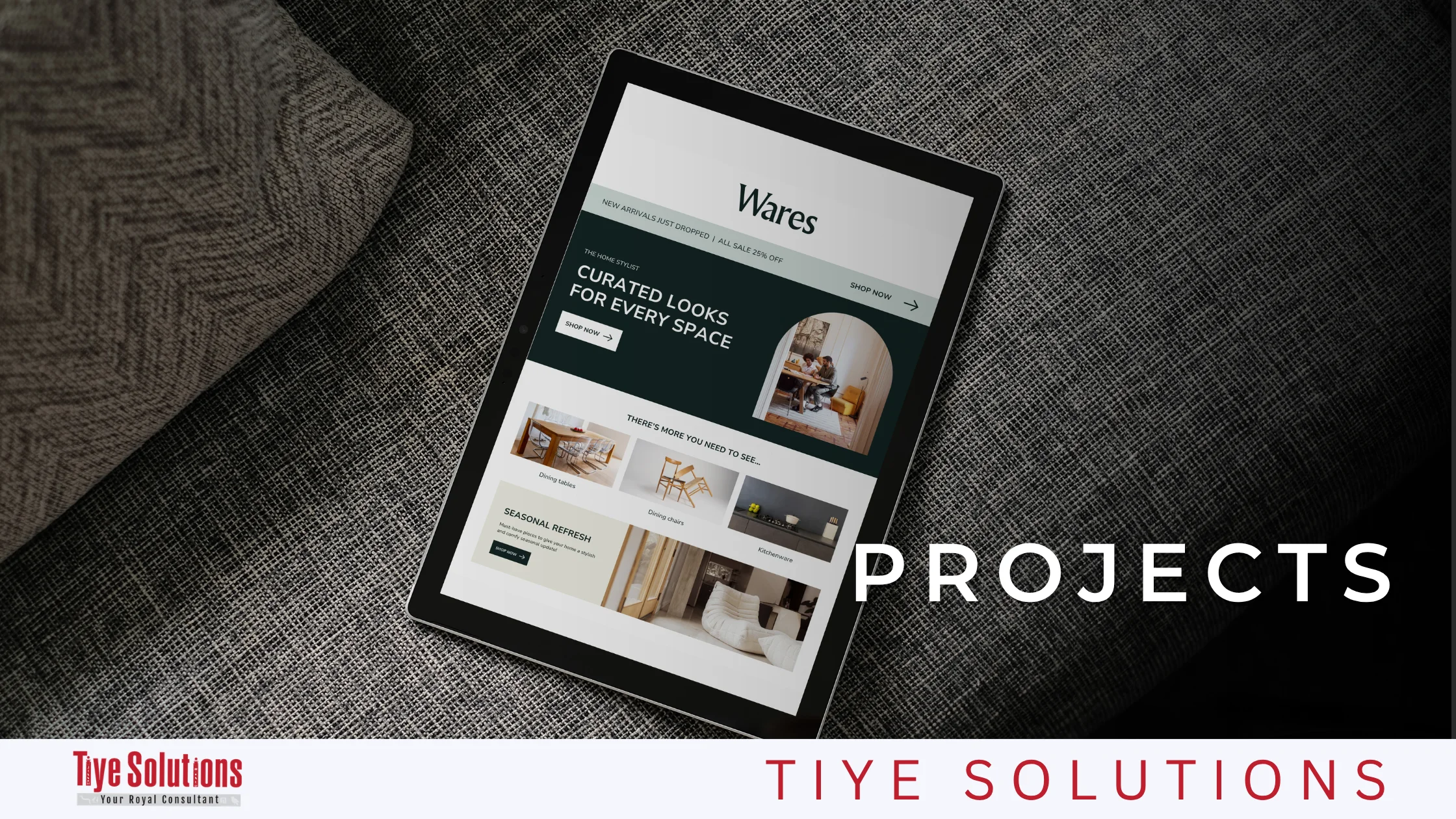
5. Past Projects on a B2B Company Website
Showcasing past projects gives customers a practical sense of the company’s ability to deliver. You can dedicate a page to each project that covers the challenge, the solution provided, the scope of work, and the results or relevant images.
Why Do Companies Need a Professional Website?
Any company, whatever its line of business, needs a website that clearly explains what it offers and gives potential customers the information they need to make a decision. Today’s customers aren’t just looking for an attractive design. They want to be sure the company is trustworthy, that what it offers fits their needs, and that getting in touch is easy and straightforward. What a site should emphasize depends on the nature of the business: a factory focuses on specifications and production capabilities, a marketing company on results and past work, and a large online store on easy browsing and a smooth shopping experience.
1. Credibility and Expertise
A professional website displays what proves the company’s competence, such as years of experience, accreditations, customer testimonials, and past projects, helping customers form a better impression of the company before they contact it.
Example: A factory that displays quality certificates and international accreditations along with a list of projects it has delivered for major clients, and a marketing company that shows case studies with real results and figures, plus the logos of the clients it has worked with.
2. Clear Information About Products and Services
Presenting products or services in precise detail and in an organized way reduces initial questions and helps customers compare options and decide quickly.
Example: A large online store that shows each product with clear images, specifications, price, and availability status, and a factory that shows technical specifications and catalogs so customers can evaluate a product easily.
3. Direct Communication Channels
Contacting the company should be clear and easy, whether through a request form, email, phone, WhatsApp, or any other channel that suits the market and the customer.
Example: A marketing company that lets visitors book a free consultation through a simple form, and a large online store that offers live chat with customer service and order status tracking.
4. A Trusted Digital Presence
A website makes the company easy to find when a potential customer searches for it, and it also supports the company’s presence in search results, ads, and business referrals.
Example: When a customer searches for a specific product, the store with a search-optimized website appears at the top of the results, and a marketing company that promises its clients digital visibility should have a website that reflects that same standard.
Key Pages for a Company Website
Not every company needs the same structure, but there are core pages that suit most B2B websites:
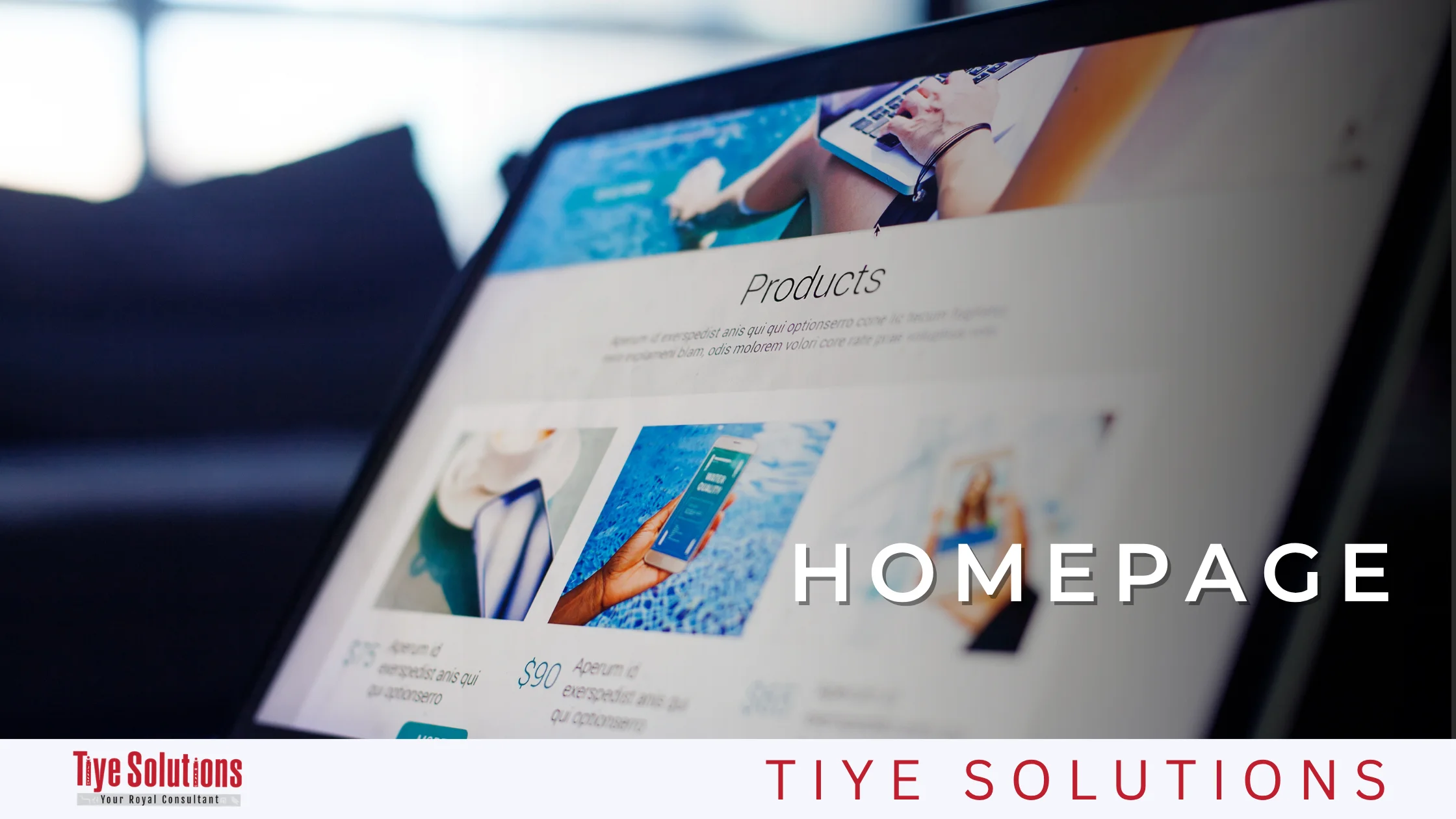
- Homepage: It should quickly answer three questions: Who are you? What do you offer? And why should the customer choose you?
- Product and catalog pages: It is best to organize products into clear categories, with a separate page for each product containing the information, images, specifications, and a suitable button such as “Request a Quote.”
- Company pages: These include the “About Us” page, the company’s history, expertise, certifications, and the markets and sectors it works in.
- Services page: If the company offers services such as installation, maintenance, customization, or consulting, it is best to explain each service on its own clear page.
- Contact and request page: Customers shouldn’t have to hunt for a way to get in touch. Keep the quote request form simple, and ask only for the information the company needs to understand the request and respond to it.
Design Elements That Convince the Corporate Buyer
Good B2B design is not just about picking attractive colors. It should reflect the nature of the company and make information easy to read.
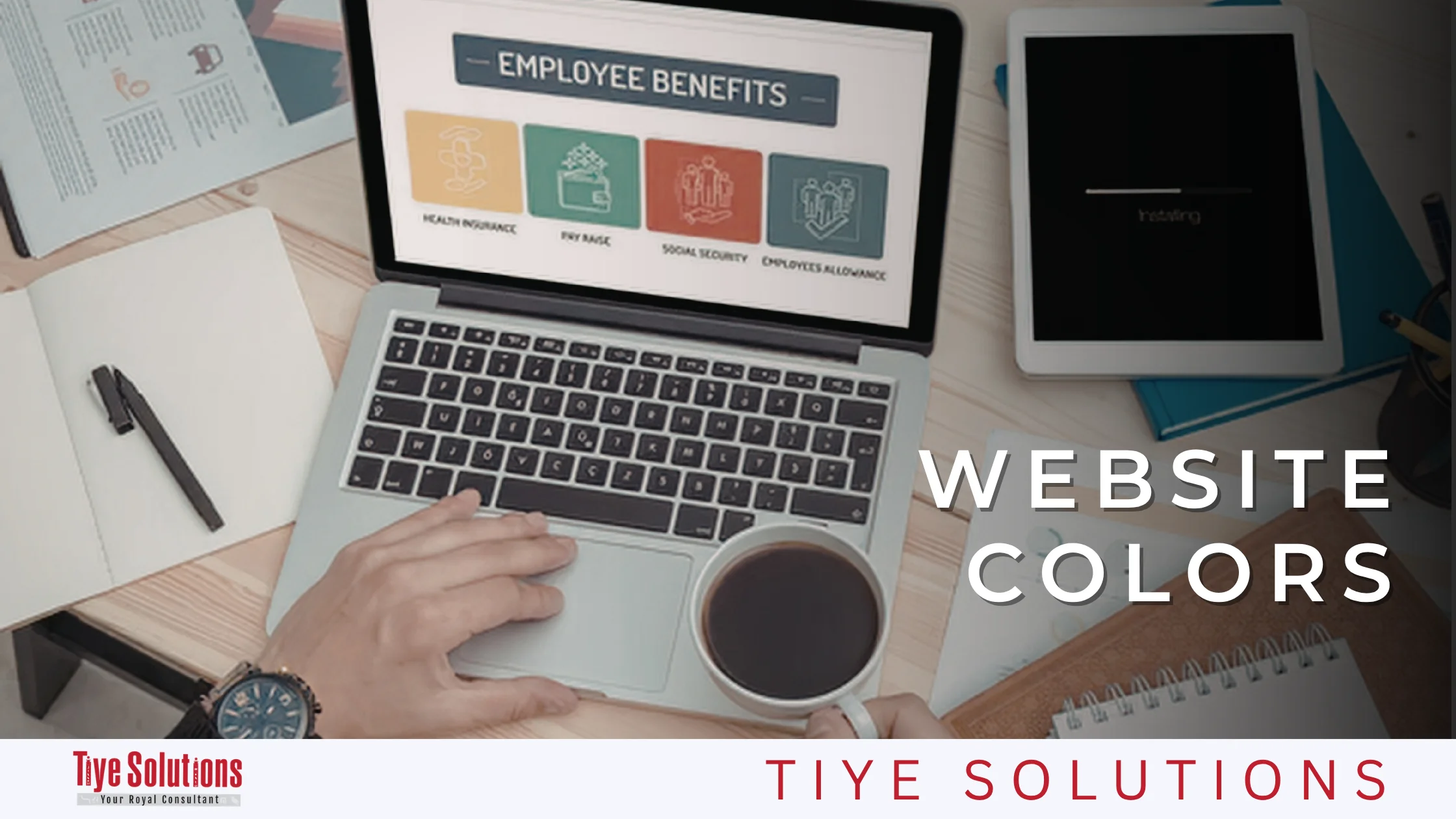
1. Professional Colors
Use colors that are consistent with the company’s identity and the nature of its sector. Calm, professional colors can help present a more serious image, especially for industrial and engineering companies.
2. Clear Fonts
A readable font makes specifications and technical details easier to browse, especially when the page contains tables or long content.
3. Real Photos
Photos of the factory, the products, the team, and actual projects are more convincing than relying entirely on stock images.
4. Trust Badges
You can display quality certificates, accreditations, client or partner logos, and any other credible elements that prove the company’s expertise.
5. Loading Speed
A slow website hurts the user experience and can make visitors leave before they reach the information they need. That is why images, files, and code should be optimized while maintaining design quality.
Optimizing the Website for Search Engines
Website design and SEO should work together from the very beginning. The goal is not only to attract more traffic but also to reach people who are already searching for the products or services the company offers.
1. Long-tail keywords
Instead of focusing on broad, highly competitive keywords, you can target more specific phrases that reflect the searcher’s intent, such as a product name combined with its specifications, sector, or geographic location.
2. Useful Technical Content
Articles and technical guides that answer customers’ questions help attract qualified traffic and demonstrate the company’s expertise.
3. Structured Data
Using the appropriate structured data helps search engines better understand the content of your pages and products.
4. Local Pages
If the company operates in more than one city or country, you can create a suitable local page for each market instead of putting all locations on a single page.
Measuring Performance and Continuously Improving the Website
Launching the website is not the end of the project. A successful B2B website needs ongoing monitoring to see what is actually delivering results.
1. Number of Quote Requests Received
This is one of the most important commercial indicators for a website, because it shows how well the site turns visits into real sales opportunities.
2. Most Visited Pages
If certain product or service pages receive a high number of visits, this may point to strong interest in them, and they deserve a closer look at their performance and further content development.
3. Traffic Sources
Monitor whether customers arrive from Google, ads, LinkedIn, referrals, or other sources. This data helps you identify which channels are worth investing in.
4. Bounce Rate
A high rate of visitors leaving a page quickly can indicate a problem with the content, the site speed, the user experience, or a mismatch between the page and the searcher’s intent.
Why Tiye Solutions?
To get an outstanding B2B website, don’t just hire any company that offers website building. Choose the company that understands your needs and can assess your whole situation without delay. That is what we offer at Tiye Solutions through a wide range of services covering everything anyone in marketing could be looking for. We are a full-service marketing company that can easily elevate your business and help you reach the largest possible number of customers.
You can contact us and get started today.
Conclusion
A successful B2B company website does not depend on appearance alone. An effective website should explain the company and its products and services, showcase its specifications, expertise, and past projects, and make it easy for customers to find information and get in touch with the sales team.
The website should also be designed from the start with SEO, loading speed, user experience, and results measurement in mind. If you are looking for a partner to help you build a B2B website that serves your company’s commercial and marketing goals, you can contact Tiye Solutions to discuss your project’s needs and build the right solution for it.
Frequently Asked Questions About B2B Company Website Design
What is the difference between a B2B website and a regular website?
A B2B website puts greater emphasis on the information decision-makers need, such as specifications, experience, products, services, past projects, and ways to request quotes.
Does a factory need a website?
Yes, especially if it is targeting new customers and companies or different markets. A website helps a factory present its products, capabilities, and specifications in an organized way, and gives customers an easy way to search and get in touch.
What are the most important pages on a B2B company website?
They usually include the homepage, products or catalog, About Us, services, past projects, and a contact and quote request page. Other pages may be added depending on the nature of the company.
Is SEO important for industrial company websites?
Yes. SEO helps a company appear when customers search for products, services, or solutions related to its business. Google explains that SEO helps search engines understand a site’s content and helps users reach the right pages.
How do I measure the success of a B2B website?
Success can be measured through quote requests, incoming inquiries, the most visited pages, traffic sources, and user behavior on the site, while linking this data to the company’s commercial goals.