
Marketing video production began gaining real traction in the late 1990s with the spread of the internet, but its true revolution came with the launch of YouTube in 2005. Its impact then multiplied dramatically when platforms like Instagram and TikTok brought short-form video into the heart of users’ daily lives. Today, with a good smartphone camera, a clear idea, and completely free tools, you can shoot a successful marketing video and produce real sales content in just a few hours. In this article, you’ll learn from scratch how to produce a marketing video that converts viewers into real customers.

What Is a Marketing Video?
A marketing video is visual content created by a business or project owner with one goal: to influence the buyer’s decision—whether to introduce a product, earn customer trust, or prompt a specific action. Visual content is always faster and more impactful than written text.
Most Commonly Used Types of Marketing Videos
There is no single format that suits all businesses. The choice of video type depends on the campaign goal, the nature of the product or service, and the target audience. Some videos aim to increase brand awareness, while others focus on building trust or motivating customers to purchase. Understanding the most common types helps you choose the right format to achieve your marketing goals with the best results.
1 – Product or Service Demonstration
This is the simplest and most widely used type of marketing video. You show what you offer, how it works, and why it’s worth buying. It suits businesses with physical products or services that require visual explanation.
2 – Customer Testimonials
A real customer speaking about their experience is more powerful than any written advertisement. This type builds trust naturally because people trust each other more than they trust brands. Ask satisfied customers to record a short clip — even from their phones.
3 – User-Generated Content (UGC)
UGC—or User Generated Content—is content created by your audience instead of you. It feels natural and unproduced, which is exactly what makes it highly effective. You can encourage your customers to share their experiences with your product and repost them with permission or collaborate with content creators on a smaller budget than traditional advertising.
Why Is Marketing Video Important for Your Business?
Video has become an essential part of the customer’s buying journey because it condenses information and delivers marketing messages quickly and clearly.
1 – Increasing Conversion Rate
Adding a video to your product page or ad raises your conversion rate noticeably. Video reduces doubt in the customer’s mind because they see the product being used in real life, and they hear a genuine tone of communication instead of written text—trust increases, and with it, the purchase rate rises.
2 – The Current Generation Prefers Visual Content
The audience you’re targeting today grew up with images and video, and their patience for long-form reading is limited—but they’ll finish a video without thinking twice if it’s worth it. Platforms like TikTok, Instagram Reels, and YouTube Shorts prove every day that visual content is the language of this generation.
Important Questions Before You Start Shooting a Marketing Video
The real success of a marketing video doesn’t depend only on the quality of the footage—it also depends on the quality of the content and delivering a clear, specific message through it. Ask yourself these questions at the start:
1 – What Is the Goal of the Video?
Before anything else, decide what you want the viewer to do after watching the video. For example, do you want them to buy now? Contact you? Remember your brand? A video without a clear goal achieves no clear result. Choose one goal only and build everything around it.
2 – Who Is Your Audience?
A video that speaks to everyone influences no one. Before shooting a marketing video, ask yourself: who is the person whose problem your product solves? How old are they? What matters to them? What convinces them? The clearer the picture of your audience in your mind, the more impactful your video will be.
3 – Where Will You Publish the Video?
The platform determines the appropriate length and style. For example, TikTok and Reels require vertical short clips between 15 and 60 seconds; YouTube gives you more space. Facebook ads have different rules for pacing and editing. Decide first where the video will be shown, then start planning.
Steps to Shoot a Marketing Video

To understand the steps of shooting a marketing video in a practical way, we’ll apply them to a simple example: producing an ad for a cup of red tea on a limited budget. The goal of the video is not just to increase views or engagement but to encourage the audience to try the product and build a mental association between the tea and moments of calm and focus.
The Script
The success of a marketing video depends more on the strength of the idea and the quality of the script than on professional equipment. Start by defining the main idea—or concept—that you’ll build the ad around.
In this example, the ad is built on a simple idea: linking a cup of tea to mood. This concept is close to the audience’s daily experience and makes it easy for them to remember the product and associate it with positive feelings.
The Hook
You have only three seconds to capture the viewer’s attention. The video can open with a situation or question that touches on a real experience. For example:
“When you take a minute for yourself, what do you do?” This question invites the viewer to think and respond.
The Loop
After capturing attention, you need to give the viewer a reason to keep watching until the end. For example, in a marketing video for tea, you could show quick scenes of a person finishing their daily tasks, then preparing a cup of tea and sitting down enjoying a piece of music they love. Through these scenes, close-up shots of tea preparation appear alongside brand distinction and rising steam from the cup. This way, the product becomes a natural part of the story, rather than simply being shown directly.
The CTA (Call to Action)
You must end the video with a clear call that encourages the viewer to engage or try the product. For example: “A good mood loves tea.”
Lighting and Shooting Location
Good lighting compensates a great deal for the absence of professional equipment. You can use natural daylight near a window for a clear, warm image or choose a quiet, tidy location that reflects the product’s atmosphere. For a tea ad, for example, you could shoot on a balcony at sunset to highlight the feeling of relaxation. Pay attention to varying your camera angles, such as close-up shots while pouring the tea or capturing the steam rising from the cup.
Sound
A viewer may tolerate average picture quality, but they won’t continue watching a video with unclear audio. Avoid crowded places, use an external microphone if available, or record audio using a wired headphone microphone for better quality. If you’re recording indoors, choose a room with furniture or curtains to reduce echo.
The Cover That Grabs Attention
The thumbnail is the first element the viewer sees before playing the video, so it directly affects click-through and watch rates. Use a clear image of the teacup with attractive steam; add a short text of no more than four words, and the simpler and clearer the cover is—expressing the core idea of the video—the more likely it is to attract your audience’s attention.
Tools to Help You Produce and Shoot a Marketing Video
You can rely on a range of free or low-cost tools at every stage of production, from the idea through to publishing the video.
1 – Ideas
AI tools help speed up the planning phase and turn your ideas into a clear, executable script. These tools include:
Gemini
Gemini helps you generate creative video ideas, suggest different marketing angles, and write compelling hooks suited to your target audience. All you need to do is enter information about your product and request multiple video scenarios within minutes.
ChatGPT
You can use ChatGPT to write a complete script, develop your ad concept, and craft effective calls to action. The more information you provide about your product, audience, and marketing goals, the more accurate the results you’ll get.
2 – Editing
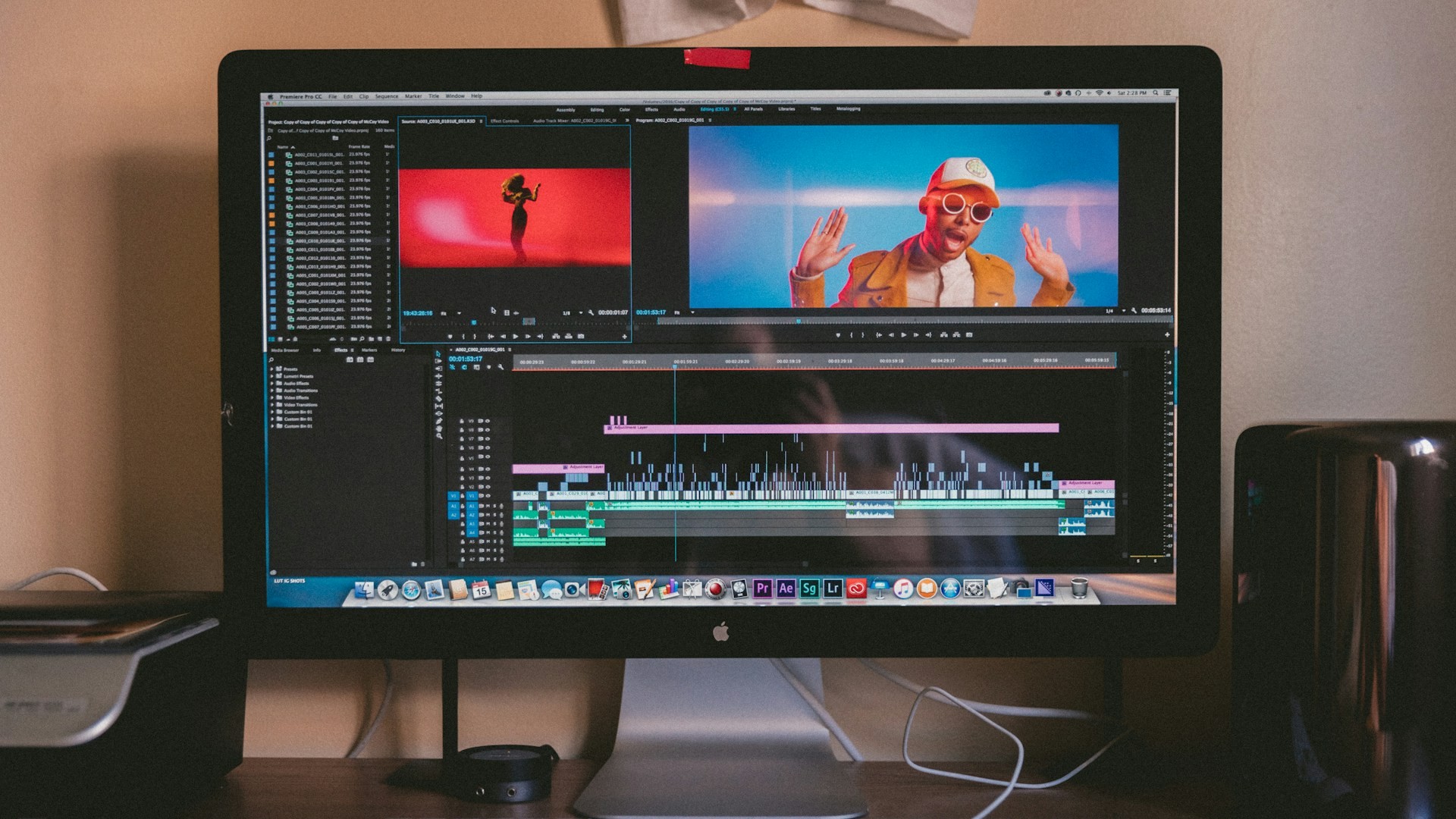
Editing helps you improve the video’s pacing and add text and visual effects that increase viewer engagement.
CapCut
CapCut is one of the most widely used editing tools, offering ready-made templates, varied effects, and a user-friendly interface suitable for beginners.
DaVinci Resolve
If you’re looking for advanced professional capabilities, DaVinci Resolve offers powerful tools for video editing, color correction, and high-quality content production — all for free.
Cover Design
Canva provides ready-made templates sized for different platforms, with the ability to easily edit text, colors, and images. This helps you design a professional thumbnail without needing any design experience.
Mistakes to Avoid When Shooting a Marketing Video
Even with a strong idea and suitable tools, some simple mistakes can reduce the video’s impact and waste time and budget. The success of a marketing video isn’t tied solely to shooting quality — it also depends on the clarity of the message and your ability to maintain the viewer’s attention and guide them toward the desired action. Therefore, make sure to avoid the following mistakes when producing and shooting your marketing video.
1 – Making the Video Too Long
A longer video doesn’t mean better content. Most viewing decisions are made in the first few seconds, and content that drags on without added value will lose your audience before you reach the CTA. Make every second in the video worth staying for.
2 – Unclear Video Goal
When you try to say everything in one video, nothing stays in the viewer’s mind. One video, one goal, one message — this is the formula that produces measurable results.
3 – Missing CTA
A video without a clear call to action is an entertainment video, not an advertisement. Your customer won’t think on their own about what to do after watching your content. Tell them exactly the following: click here, order now, or contact us.
A professional marketing video doesn’t start in front of the camera—it starts with clarity of idea. Apply what you’ve read step by step. Start with one simple video, and you’ll discover for yourself that a limited budget is not the obstacle — it’s the first step toward mastering the tools available to you. Start today. Record your first clip.