
Today, business owners are looking for social media ad companies that can turn advertising budgets into measurable business results, not just impressions or superficial engagement. With competition increasing across Facebook, Instagram, and TikTok, launching random advertising campaigns is no longer enough. Choosing the right advertising partner has become one of the most important factors in determining the success of any business or brand.
In this guide, we’ll explain exactly what social media ads companies do, how to distinguish agencies that deliver real business outcomes from those that only create the appearance of success, and the practical criteria you should use before signing any contract.
What Are Social Media Ad Companies?
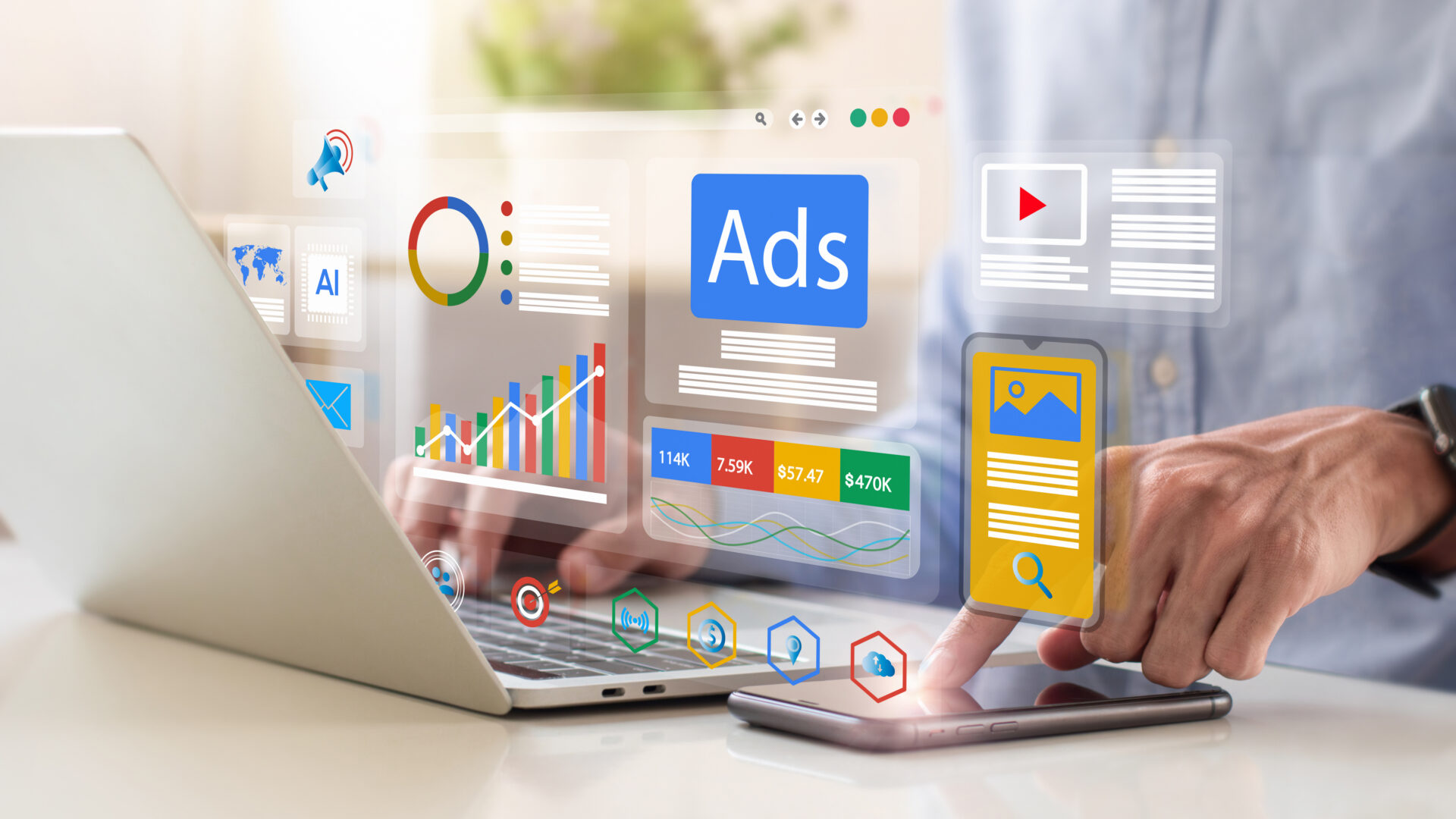
Social media ads companies specialize in planning, managing, and optimizing paid advertising campaigns across social platforms such as Facebook, Instagram, TikTok, LinkedIn, and others. Their primary objective is to reach the right audience while achieving clear business goals, including increasing sales, generating qualified leads, improving brand awareness, or driving website traffic.
Professional agencies combine strategic marketing expertise, data analysis, audience research, creative content production, and campaign optimization to maximize return on advertising spend (ROAS).
What Services Do Social Media Ads Companies Provide?
Professional agencies offer comprehensive services that cover every stage of an advertising campaign, from strategy and launch to optimization and performance measurement.
1. Advertising Campaign Management
This includes setting up advertising campaigns across platforms such as Facebook, Instagram, and TikTok, defining campaign objectives, allocating budgets, selecting audience targeting, and monitoring campaign performance daily. Rather than letting campaigns run without supervision, experienced agencies continuously optimize them based on real-time performance data.
2. Advertising Content Creation
Every successful advertisement requires compelling visuals and persuasive copy that resonates with the target audience. That’s why leading agencies include dedicated design teams alongside professional content creators who work closely with campaign managers to produce advertising assets aligned with the overall marketing strategy.
3. Social Media Account Management
Social media management goes beyond paid advertising. It also includes managing business pages, publishing consistent content, engaging with followers, and maintaining a unified brand identity that strengthens advertising performance and builds customer trust.
4. Performance Analysis and Reporting
Reliable social media ad companies provide detailed reports based on meaningful business metrics such as Cost Per Click (CPC), Conversion Rate, Return on Ad Spend (ROAS), Cost Per Acquisition (CPA), and overall campaign profitability instead of focusing only on vanity metrics like views and likes.
Why Do Some Social Media Ad Companies Achieve Better Results Than Others?
Two agencies may manage similar advertising budgets while targeting the same audience, yet produce completely different outcomes. The difference usually lies in the strategy and methodology applied before the campaign even goes live.
1. Market and Competitor Research
Before creating any advertisement, experienced social media ad companies conduct extensive competitor analysis. They identify advertisements that remain active for long periods, a practical indication that those campaigns are delivering profitable results since underperforming ads are typically paused within days.
They also analyze competitors’ weaknesses, such as poor customer service, slow shipping, or limited guarantees, allowing them to position your offer from a unique angle instead of repeating the same marketing message customers see everywhere else.
2. Understanding the Target Audience
Professional agencies don’t stop at demographic information such as age or location. They identify the real pain points that motivate customers to purchase, along with the objections preventing them from taking action, whether that’s pricing concerns, lack of trust, delivery times, or uncertainty about product quality.
These insights determine whether the campaign should emphasize discounts, customer testimonials, money-back guarantees, fast delivery, or other trust-building elements.
3. Advertising Strategy
An effective advertising strategy begins with defining three essential components before launching any campaign:
- Clear campaign objectives and measurable KPIs.
- A structured testing phase using controlled budgets.
- A scalable growth plan based on validated performance data.
This systematic approach prevents unnecessary budget waste by ensuring only high-performing creatives receive increased investment.
4. Data Analysis
The difference between average and exceptional agencies lies in how quickly they respond to campaign data. Reviewing performance every two or three days during the initial campaign stage allows weak ads to be paused before consuming a significant portion of the advertising budget.
Professional social media ad companies establish daily spending limits, monitor campaign performance continuously, and make data-driven adjustments instead of waiting until the end of the month to evaluate results.
Why Is Understanding Your Target Audience the Foundation of Successful Ad Campaigns?
Two campaigns with identical budgets and creative assets can produce dramatically different results simply because one targets the right audience more accurately. Audience research isn’t just another planning step; it influences every decision made throughout the campaign.

1. Choosing the Right Platform
Different audiences spend their time on different platforms. Users between 18 and 24 are generally more active on TikTok and Instagram Reels, while audiences aged 30 to 45 often engage more on Facebook, especially with promotional offers and community groups.
Selecting the wrong platform means paying for reach without generating meaningful engagement, regardless of how attractive the advertisement may be.
2. Crafting the Right Message
Someone searching for an emergency repair service expects a direct message focused on speed and immediate availability. On the other hand, someone considering a major purchase, such as furnishing a new home, requires educational content that gradually builds trust before presenting an offer.
Using the same messaging strategy for both audiences significantly reduces conversion rates.
3. Selecting the Right Content Format
Performance data often shows that short-form videos between 15 and 30 seconds generate higher engagement during the awareness stage, while static images become more effective during retargeting campaigns when potential customers already recognize the brand and simply need a reminder to take action.
4. Improving Audience Targeting
Broad targeting without sufficient data often increases advertising costs during the early stages of a campaign. However, it becomes more effective once advertising platforms collect enough behavioral data.
Conversely, narrowing the audience too much from the beginning limits the platform’s ability to optimize delivery, a common mistake made by advertisers who assume narrower targeting always produces better results.
5. Reducing Advertising Costs
Using lookalike audiences built from existing customer data usually lowers cost per click and cost per acquisition because advertisements reach users who share similar behaviors with proven customers instead of relying solely on broad interest-based targeting.
Digital Marketing Companies vs. Traditional Advertising Companies: Which One Is Better?
The real question isn’t which option is universally better, but which approach best supports your business goals at its current stage of growth.
Advantages of Digital Marketing
Digital marketing allows businesses to measure every advertising dollar with precision. You can track leads, conversions, customer acquisition costs, and the exact source of every sale. It also provides the flexibility to pause underperforming campaigns within hours instead of being locked into long-term advertising commitments.
This makes digital marketing especially valuable for startups and small to medium-sized businesses that need to test different strategies before scaling successful campaigns.
Advantages of Traditional Advertising
Traditional advertising still plays an important role in building strong local brand awareness, particularly for businesses whose customers rely on offline channels such as billboards, radio stations, local events, or print advertising. It also remains effective in industries where purchasing decisions are heavily influenced by community presence and personal trust.
When Is Combining Both the Best Choice?
Many businesses achieve better results by integrating both approaches. For example, a restaurant opening a new branch may benefit from local outdoor advertising while simultaneously running geographically targeted social media campaigns aimed at nearby residents during the first few months after launch.
In this case, traditional and digital advertising complement each other rather than compete for the same budget.
How to Choose the Right Social Media Advertising Company
The following criteria aren’t generic recommendations; they’re practical evaluation tools you can use during your first meeting with any agency.

1. Industry Experience
Don’t simply ask how many years the agency has been operating. Instead, ask how many campaigns they’ve managed within your specific industry over the past year. Success in e-commerce doesn’t automatically translate into expertise in healthcare, real estate, education, or professional services, where customer decision-making processes differ significantly.
2. Proven Results
Ask for measurable performance improvements rather than general success stories.
Questions such as:
- What was the cost per lead before and after your management?
- How long did it take to achieve measurable improvements?
- Can you share performance benchmarks from similar projects?
Professional social media ads companies are usually willing to share aggregated performance data while respecting client confidentiality.
3. Reporting Quality
A valuable report should include:
- Advertising spend and campaign performance.
- Analysis explaining why results improved or declined.
- Recommended next steps for optimization.
If reports focus only on likes, reach, or impressions without connecting them to revenue or business outcomes, they’re unlikely to provide meaningful strategic value.
4. A Clear Action Plan
A professional agency should explain exactly what will happen during the first testing phase, which performance indicators determine whether a campaign should scale, and what alternative strategy will be implemented if initial objectives aren’t achieved.
Without a structured roadmap, your advertising budget may become part of a trial-and-error process.
5. Understanding Your Business Objectives
Experienced agencies ask questions beyond your advertising budget.
They’ll want to know:
- Your average order value.
- Your profit margins.
- Your customer lifetime value.
- Your repeat purchase rate.
These metrics help optimize campaigns for profitability rather than simply increasing traffic or impressions.
6. Data Analysis Capabilities
Ask which tools the agency uses for reporting and analysis. Agencies that rely solely on default advertising platform dashboards may overlook valuable insights, such as differences in performance across specific days, hours, customer segments, or creative variations.
Common Mistakes When Choosing Social Media Ads Companies
These mistakes often don’t become obvious immediately but after weeks of spending advertising budgets without generating proportional business returns.
1. Choosing the Cheapest Agency
Lower pricing often reflects fewer resources dedicated to your account. Smaller teams usually have less time to monitor campaigns daily, delaying problem detection and reducing optimization opportunities.
2. Being Impressed by Follower Count
An agency’s social media following has little connection to its ability to manage profitable paid advertising campaigns. Growing followers organically requires different skills than optimizing advertising performance through data analysis.
3. Failing to Define KPIs
Establish measurable key performance indicators from the beginning.
For example:
- Maximum cost per qualified lead.
- Target conversion rate.
- Desired return on ad spend.
Without clearly defined metrics, evaluating campaign success becomes subjective.
4. Believing Unrealistic Promises
Be cautious of agencies guaranteeing exact numbers of customers or fixed growth percentages. Advertising results depend on multiple factors beyond the agency’s control, including product quality, market competition, pricing strategy, and seasonal demand.
Professional agencies provide realistic performance forecasts based on historical data—not guaranteed outcomes.
How Can You Tell If a Social Media Advertising Company Is Truly Professional?
The fastest way to evaluate an agency is to pay attention to the questions they ask during the first meeting, not just their sales presentation.
Did They Ask About Your Business Goals Before Discussing Pricing?
A professional agency first seeks to understand whether your objective is increasing sales, generating leads, launching a new product, or building brand awareness before recommending any advertising package.
Did They Ask About Your Target Audience?
Questions regarding your current customers, geographic markets, customer demographics, and buying behavior indicate that the agency intends to build campaigns using real customer data rather than assumptions.
Did They Discuss Budget Allocation?
A meaningful budget discussion goes beyond the total advertising spend. It explains how much will be allocated to testing, optimization, scaling, management fees, and actual media buying.
Did They Talk About KPIs?
Mentioning measurable Key Performance Indicators (KPIs), such as target CPC, expected conversion rate, or Return on Ad Spend (ROAS), demonstrates a structured, data-driven approach from the beginning.
Did They Present a Timeline?
A professional timeline may include milestones such as the following:
- Week 1: Launch three creative variations.
- Week 2: Analyze performance and pause underperforming ads.
- Week 3: Increase investment in winning campaigns.
This level of planning reflects an organized process instead of improvisation.
Conclusion
Choosing one of the many social media ad companies available today is far more than selecting a service provider; it’s a strategic investment in your company’s growth.
The right agency will prioritize understanding your business goals, audience, and market before discussing pricing. It will define measurable KPIs, continuously optimize campaign performance, and base every decision on data rather than assumptions.
If you’re looking for a trusted advertising partner that understands the Egyptian market and develops strategies based on measurable business outcomes instead of guesswork, start with Tiye Solutions. Request an initial consultation to discuss your goals and discover the most effective advertising strategy before making your final decision.