
In the world of business and B2B commerce, clients do not make purchasing decisions based on emotional impulses or momentary desires. Instead, decisions are grounded in a deliberate evaluation process, thorough data analysis, and economic feasibility. Purchasing decisions in the B2B sector typically span longer periods and rely entirely on trust and verification of the provided solution’s ability to deliver added value to the company, whether by maximizing profits or reducing operational costs.
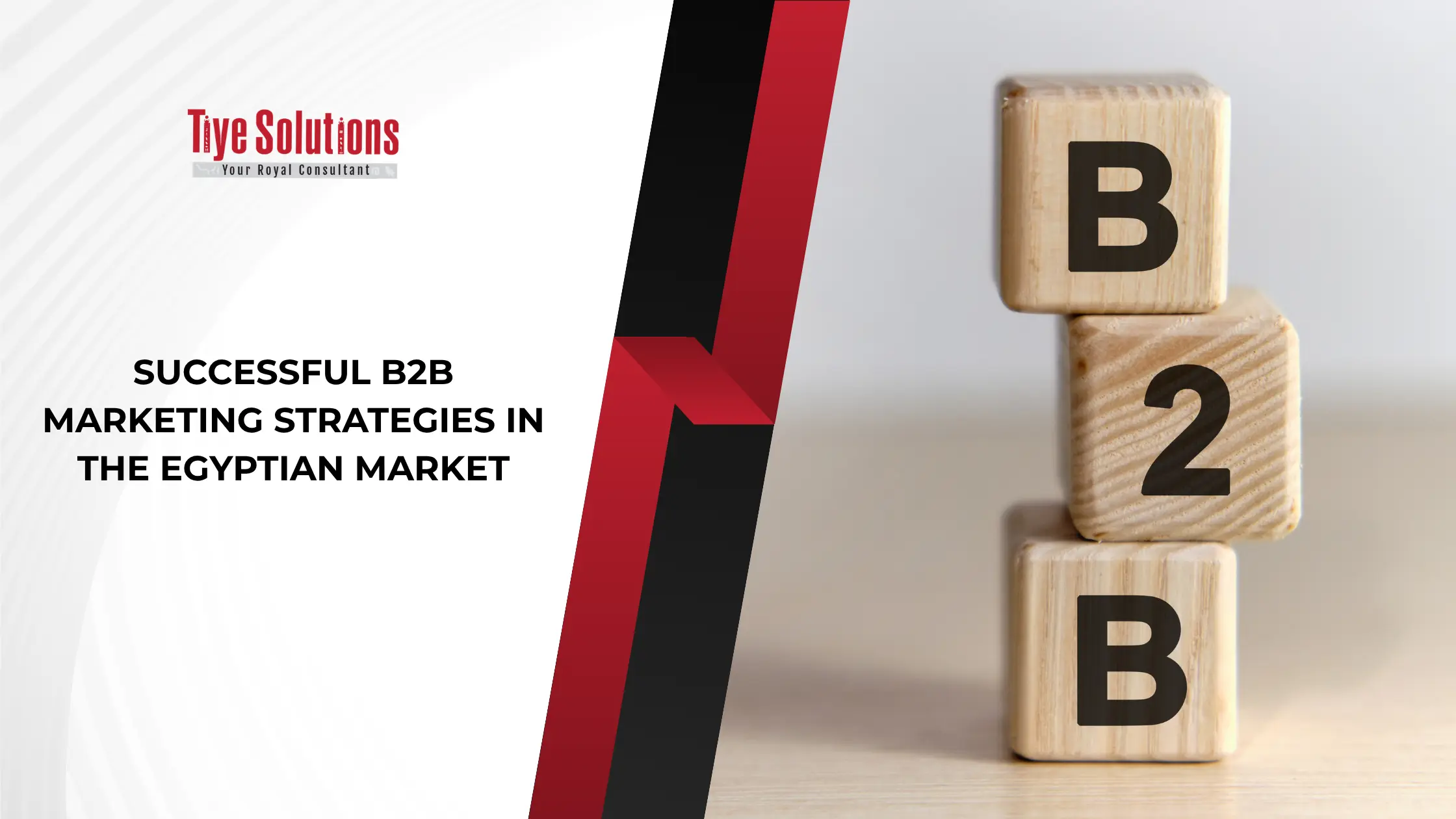
Achieving success in targeting business enterprises does not require forced presence across all available marketing channels merely for visibility. Rather, it lies in applying successful B2B marketing strategies tailored specifically for the Egyptian market, built to align with the nature of the sector and addressing the aspirations and challenges of decision-makers in Egyptian organizations in a clear and professional manner.
What is B2B marketing? And How Does It Differ from B2C?
B2B marketing (short for Business-to-Business) refers to promoting products or services from one company to another, as opposed to B2C (Business-to-Consumer) marketing, which directly targets individual end consumers.
To ensure the formulation of an effective marketing plan, it is essential to understand the fundamental differences between the two models:
- Nature of the Client: The B2C audience consists of individuals purchasing for personal needs, whereas the B2B audience comprises organizations and entities seeking developmental, practical solutions with a measurable return on investment (ROI).
- Decision-Making Duration: Institutional purchasing decisions require weeks or months of analysis and evaluation among available offers, compared to quick impulse decisions in the consumer sector.
- Number of Decision-Maker Stakeholders: An institutional purchase decision is rarely made by a single individual; instead, it goes through an approval hierarchy including the procurement manager, financial director, chief executive officer, and the end-user technical department.
- Importance of Trust and Expertise: Financial and regulatory risks are higher in B2B transactions, making credibility, track record, and sustainable technical support critical factors for closing deals.
These key differences form the cornerstone upon which all corporate marketing campaigns and messaging are established.
Before Choosing Your Marketing Strategy. Understand Your B2B Client:
Managing marketing campaigns necessitates directing financial and intellectual resources accurately toward the right client before producing content or launching advertisements.
Understand the Client’s Goals and Needs:
A B2B client is always looking for solutions that serve direct organizational goals. A detailed analysis of several key points is strongly recommended:
- Price vs. Quality: Is the client looking to reduce operational costs, or do they prioritize quality assurance and compliance with standard specifications?
- Reliability and Sustainability: Is supply continuity and adherence to delivery schedules the primary pain point they seek to solve?
- Solving Operational Bottlenecks: What technical gaps disrupt their workflow that your service can eliminate?
Understand the Buying Journey and Decision Process:
Purchasing decisions within organizations are influenced by corporate structure:
- Final Decision Maker: The individual possessing the financial authority to sign the contract.
- Key Influencers: Technical specialists or employees who will use the product/service daily and submit recommendations to management.
- Common Objections: Concerns regarding payment terms, warranty periods, or the cost of post-sale maintenance and technical support.
Define the Buyer Persona:
Thorough market research requires building a comprehensive target client profile (buyer persona), including
- Industry or Commercial Sector: (Construction, Manufacturing, Healthcare, Software, Real Estate).
- Company Size: Startups, SMEs, or global enterprises.
- Target Job Title: Procurement Director, Operations Manager, or Chief Technology Officer.
- Pain Points and Aspirations: Daily difficulties facing the target persona and how your service can solve them.
Stages of the B2B Marketing Funnel and Their Importance:
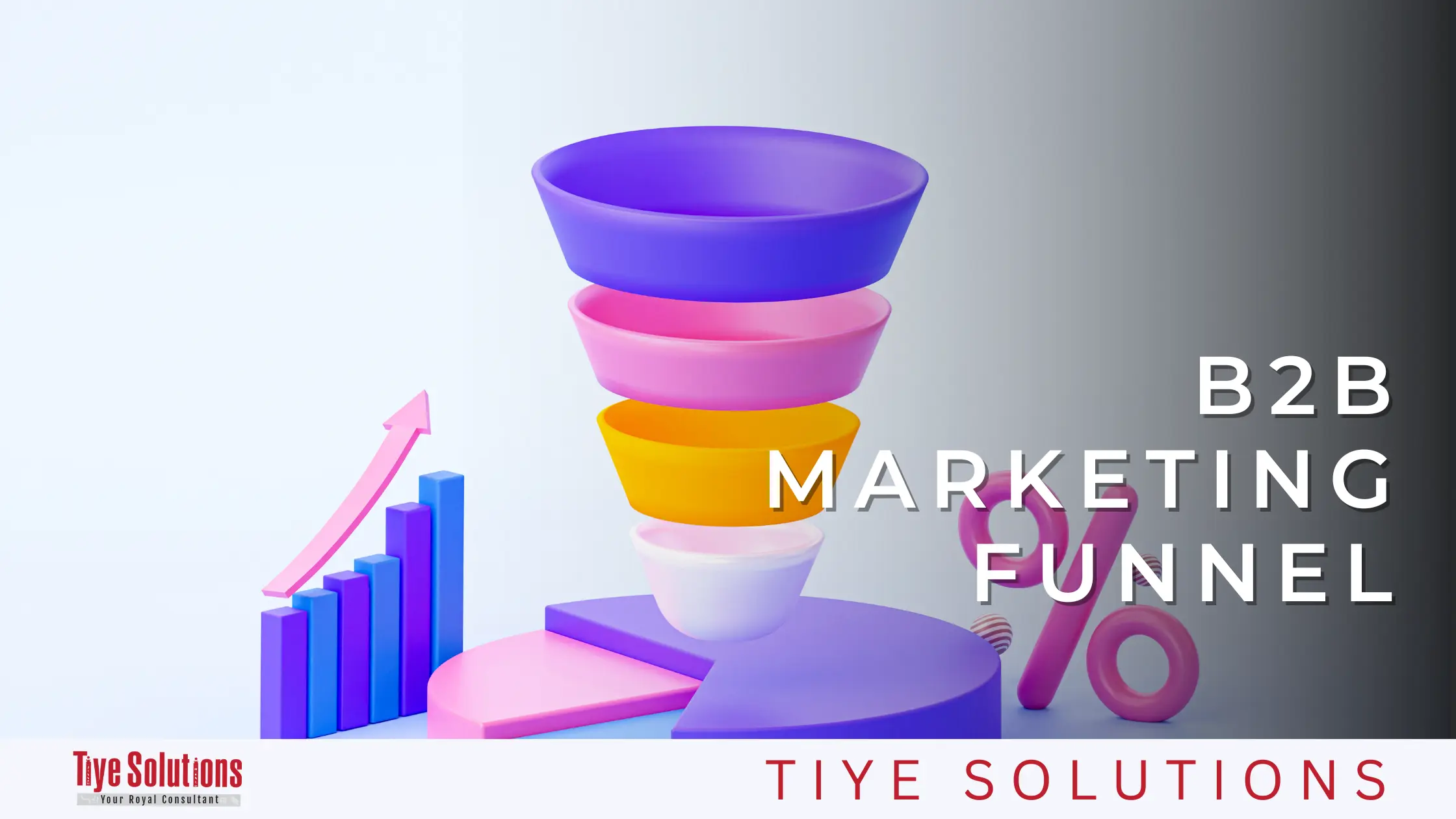
Building commercial relationships in the Egyptian market requires going through a phased pipeline known as the marketing funnel. This funnel helps deliver the right message and content to clients according to their position in the buyer’s journey.
1. Awareness Stage:
- Objective: Educate organizations about the existence of a specific problem and familiarize them with how to address it and with the company providing the solution.
- Content Type: Educational posts, specialized articles, and infographics.
- Transition Mechanism: The visitor shifts from someone seeking general information into an interested follower of the company’s activities.
2. Consideration Stage:
- Objective: Prove that the option you offer is the most efficient and suitable compared to alternative solutions in the market.
- Content Type: Case studies, technical comparisons, and whitepapers.
- Transition Mechanism: The client submits contact information (Lead) in exchange for detailed information or exclusive files.
3. Decision Stage:
- Objective: Convert qualified, interested leads into signed contracts and successful deals.
- Content Type: Free consultation sessions, product demos, and customized pricing proposals.
Deals are rarely closed on the first interaction; therefore, structured progression through the marketing funnel represents a vital element for the success of digital marketing services adopted by major corporations.
Competitor Analysis:
Strategic foresight requires analyzing all direct and indirect competitors in the Egyptian market. The purpose of this analysis is not to clone their strategies but to identify market gaps that can be leveraged to achieve a competitive edge.
Key elements to monitor during competitor analysis include:
- Product and Service Mix: Core advantages and technical features competitors highlight.
- Marketing Messaging: Tone of voice and core value propositions communicated to decision-makers.
- Content and SEO Strategies: Target keywords generating the highest traffic to their websites.
- Social Media Presence: Type of published content and engagement levels on platforms like LinkedIn and Facebook.
- Pricing Policies and Offers: Financial flexibilities and contractual terms available to clients.
Identifying content or service gaps (gap analysis) allows your business to carve out a unique positioning as an innovator and leader in its field.
Top Successful B2B Marketing Strategies in the Egyptian Market:
An integrated marketing mix ensures maximum utilization of company resources and multiplies returns on investment (ROI).
1. Content Marketing:
Content is the primary tool for establishing thought leadership and technical expertise. When an organization provides reliable information, it transforms in the client’s view from a mere vendor into a trusted advisory partner.
- Technical Articles and Blogs: Answering complex questions that occupy the minds of managers and executives.
- Case Studies: Highlighting real projects successfully executed in the Egyptian market with proven data and metrics.
- Comprehensive Guides and Whitepapers: Offering e-books containing complete solutions to industry challenges in exchange for client contact data.
- Content Methodology: Focusing on addressing client problems first rather than solely reciting company achievements.
2. Email Marketing:
Email marketing maintains its position as one of the most efficient and high-performing channels in the business sector, provided it relies on lead nurturing rather than spamming.
- Sending customized content based on where the client stands in the marketing funnel.
- Keeping communication channels open by sharing specialized reports and industry updates.
- Avoiding repetitive sales pitches that could drive clients to unsubscribe from the mailing list.
3. Social Media Marketing:
While LinkedIn stands out as the primary platform to reach C-level executives and business managers in Egypt, platforms like Facebook yield excellent results in contracting, supplies, and general trading sectors.
- Establishing Corporate Authority: Publishing executive insights and highlighting ongoing projects.
- Visual and Educational Content: Showcasing video clips of production lines, quality processes, or service delivery mechanics.
- Testimonials: Documenting positive endorsements and reviews from current success partners.
4. Paid Advertising:
Paid advertising guarantees fast and precise reach to specific segments of decision-makers:
- Search Engine Ads (Google Ads): Targeting keywords that reflect clear and explicit purchasing intent.
- LinkedIn Ads: Precise audience targeting based on job title, industry sector, and company size.
- Meta Ads: Targeting owners and managers of small and medium enterprises (SMEs) across targeted sectors.
- Retargeting Campaigns: Delivering tailored ads to visitors who interacted with the website but did not complete the contact form.
5. Search Engine Optimization (SEO):
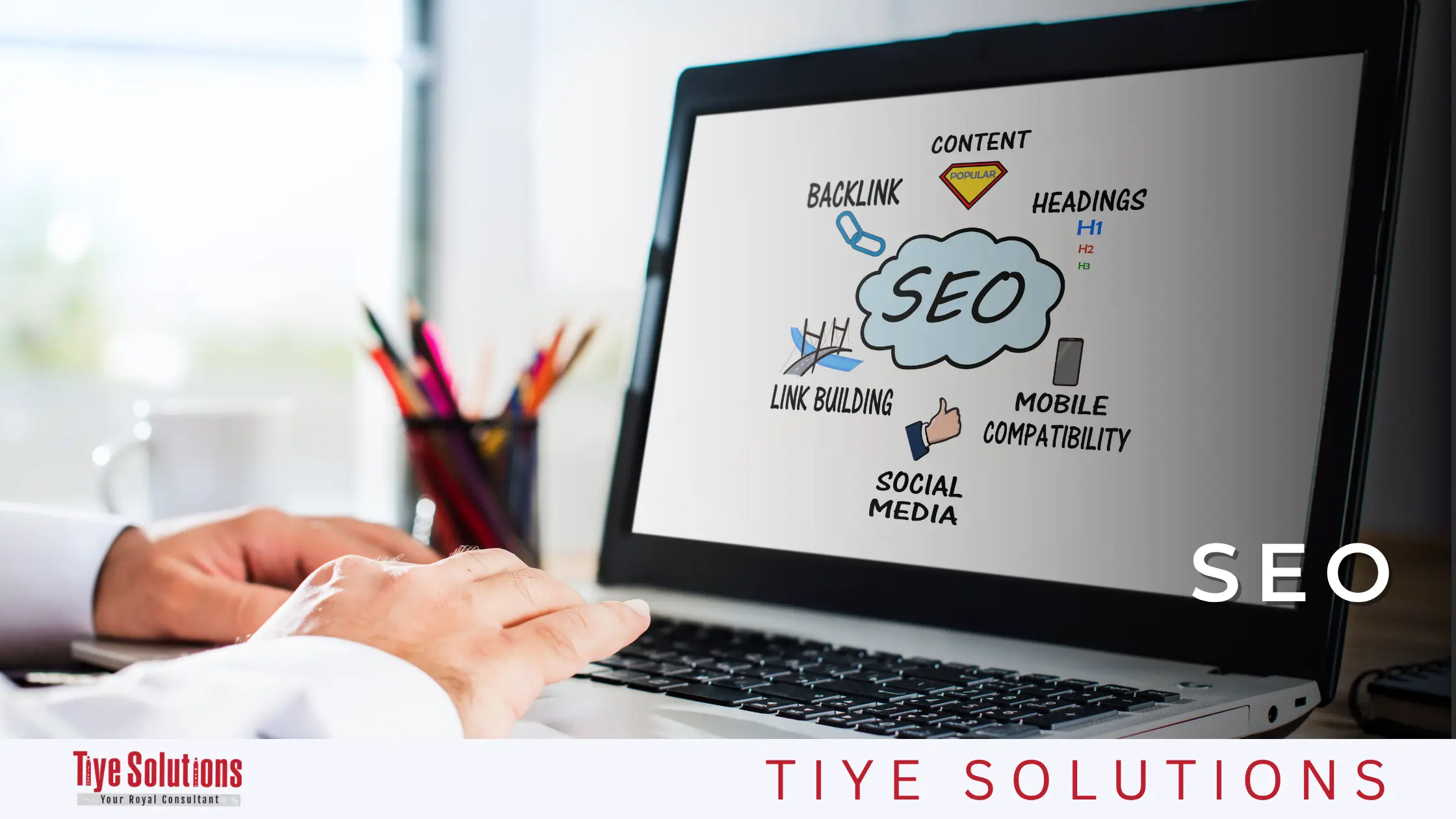
SEO represents the most sustainable long-term investment for B2B companies. Most corporate purchases begin with thorough Google searches to explore options before initiating supplier contact.
- Targeting high commercial intent keywords.
- Continuously optimizing service pages and equipping them with complete technical specifications.
- Authoring in-depth articles covering all questions related to the industry.
- Utilizing sustainable digital marketing solutions to ensure your website dominates top search results.
How to Choose the Right Strategy for Your Company?
Determining the optimal marketing mix depends on evaluating several internal core parameters:
- Buying Cycle Length: If decision-making is complex and involves multiple stakeholders, focus heavily on content marketing and email marketing.
- Search Volume Demand: If there is high search demand for your services in Egypt, start immediately with SEO and Google Ads.
- Nature of Product/Service: When launching innovative solutions that require explanation and awareness, prioritize targeted campaigns on LinkedIn and Meta accompanied by specialized educational articles.
Mistakes to Avoid in B2B Marketing
Committing common mistakes leads to wasted marketing budgets and diminished campaign performance in the Egyptian market:
- Treating B2B Clients like B2C Consumers: Relying on simplified emotional messaging instead of facts, metrics, and economic feasibility analysis.
- Excessive Direct Hard-Selling: Focusing content entirely on promotional sales pitches without providing genuine value or solutions.
- Scattering Across Platforms Without a Plan: Creating accounts on all social networks without considering where your target audience is actually active.
- Weak Follow-Up Processes: Losing sales leads generated by campaigns due to delayed communication or lack of a customer relationship management system (CRM).
Conclusion
The success of B2B marketing strategies in the Egyptian market does not rely on deploying a single tool or copying competitors. Instead, it is deeply tied to how well an organization understands its clients, grasps the nuances of the local purchasing journey, and builds an integrated marketing funnel that guides the client step-by-step from initial awareness to contract signing.
You can get started today by assessing your target audience, updating your website content, and choosing the right marketing mix to guarantee sustainable growth and market leadership for your business.